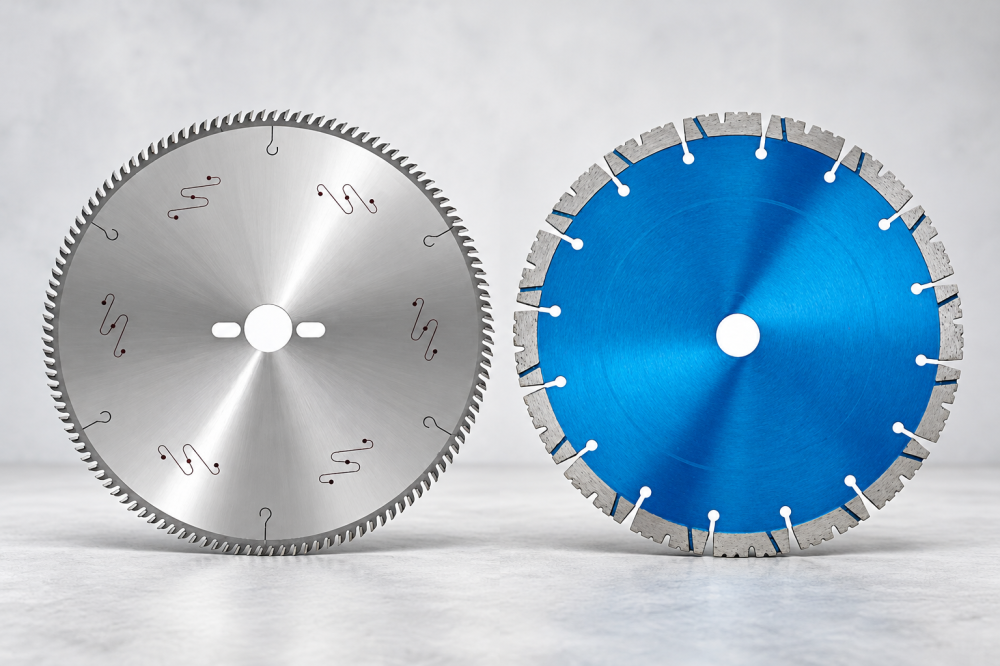
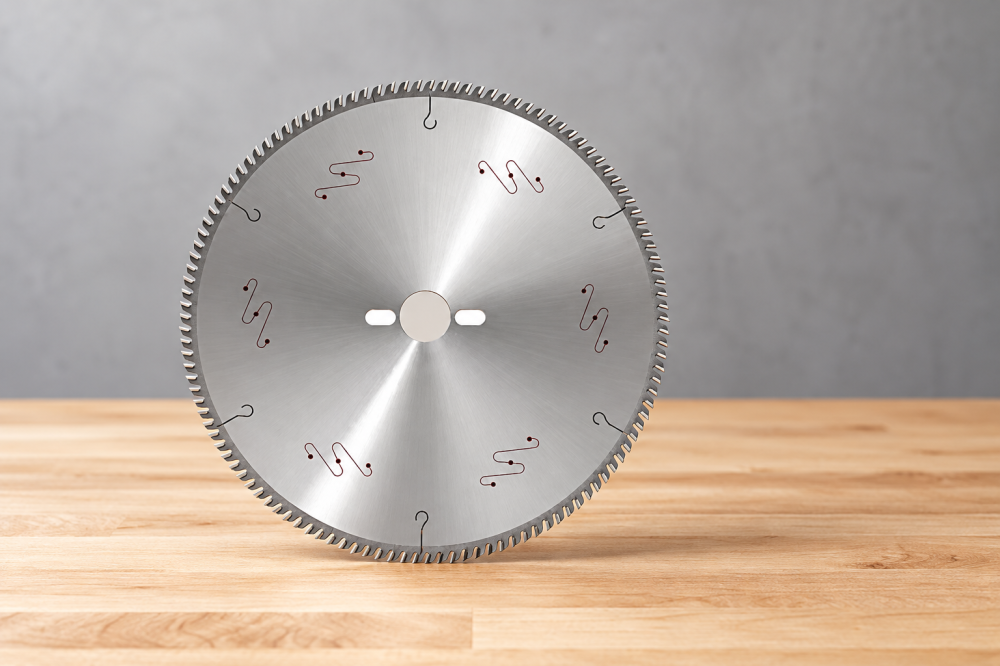
Labels such as 24T, 40T, 60T and 80T state how many teeth a TCT saw blade has. They are a useful starting point, but there is no universal “best” count: diameter, tooth geometry, material, machine and finish requirements all matter.

Lower tooth counts: chip clearance and speed
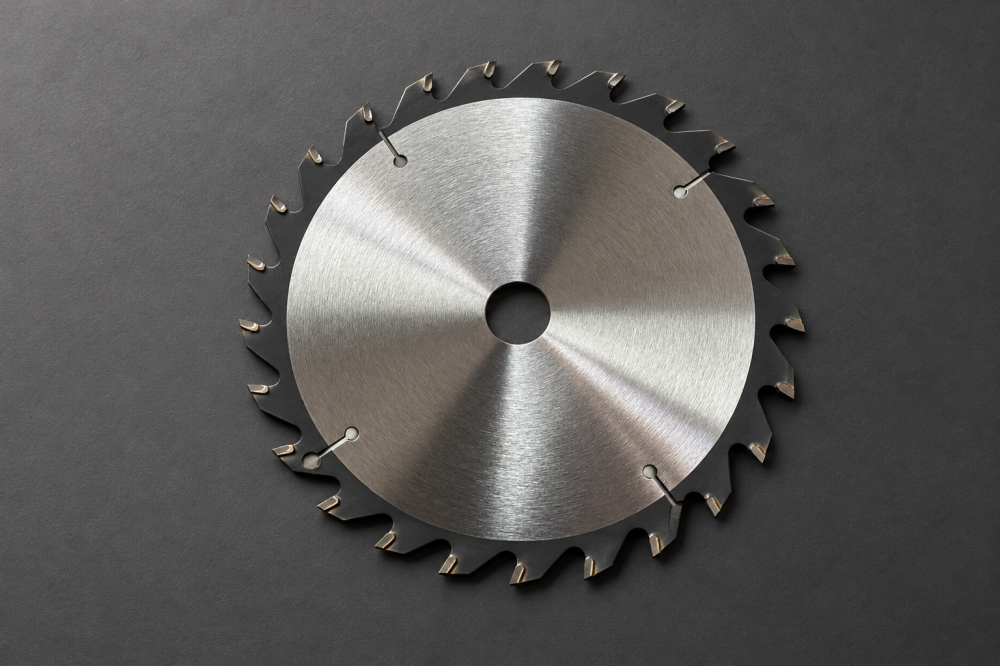
A relatively low count usually leaves larger gullets for chip removal. Depending on blade size and design, these blades are commonly associated with faster ripping and general construction cuts in wood. A 165 mm wood-cutting TCT blade illustrates why diameter must be considered alongside tooth count.
Medium tooth counts: general-purpose work
Medium counts are often selected when users need a balance between cutting speed and finish. Compare the complete blade specification and the manufacturer's stated materials rather than treating “40T” as a universal recommendation.
Higher tooth counts: finish-oriented cutting
Higher counts are commonly selected for smoother crosscuts and finish-oriented work. Too many teeth for a particular cut, however, can reduce chip clearance and change cutting behavior. Feed rate and machine conditions still matter.
Diameter changes the meaning of 40T or 80T
A 40-tooth blade at one diameter is not equivalent to a 40-tooth blade at a very different diameter: circumference changes tooth spacing. Confirm diameter, arbor, tooth count and intended cut together.
Tooth geometry matters too
ATB, TCG and other geometries serve different materials and cutting goals. Aluminum and non-ferrous metal blades typically use application-specific geometry rather than a standard woodworking configuration. Compare ETOP's TCT blade range by intended material before selecting a SKU.
A practical range for distributors
Offer clearly differentiated fast-cutting, general-purpose and fine-finish designs. State the intended application on packaging. ETOP can discuss OEM tooth counts, sizes and packaging for suitable orders; see our woodworking TCT buying guide for other selection factors.
FAQ
Is 80T always smoother than 40T?
Not in every situation. Diameter, tooth geometry, material, machine and feed rate also affect the result.
What tooth count should I use for ripping?
Lower tooth-count designs are commonly used for ripping, but follow the blade and saw manufacturers' recommendations for your diameter and material.
Can tooth count be customized for OEM orders?
Different specifications may be discussed depending on product and order requirements.
Developing a differentiated TCT range? Contact ETOP Tools about OEM specifications.