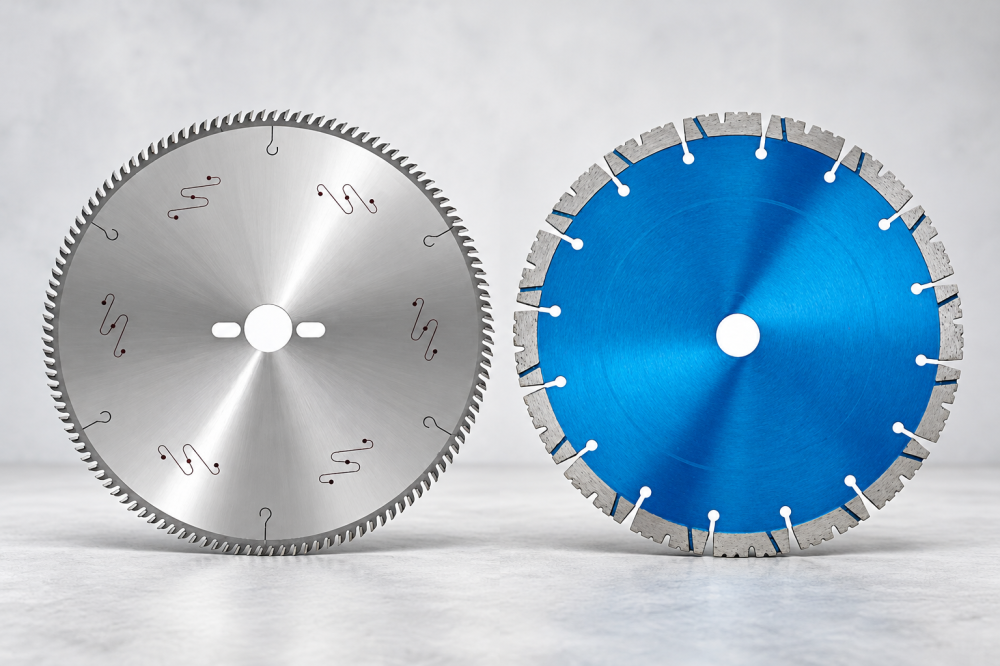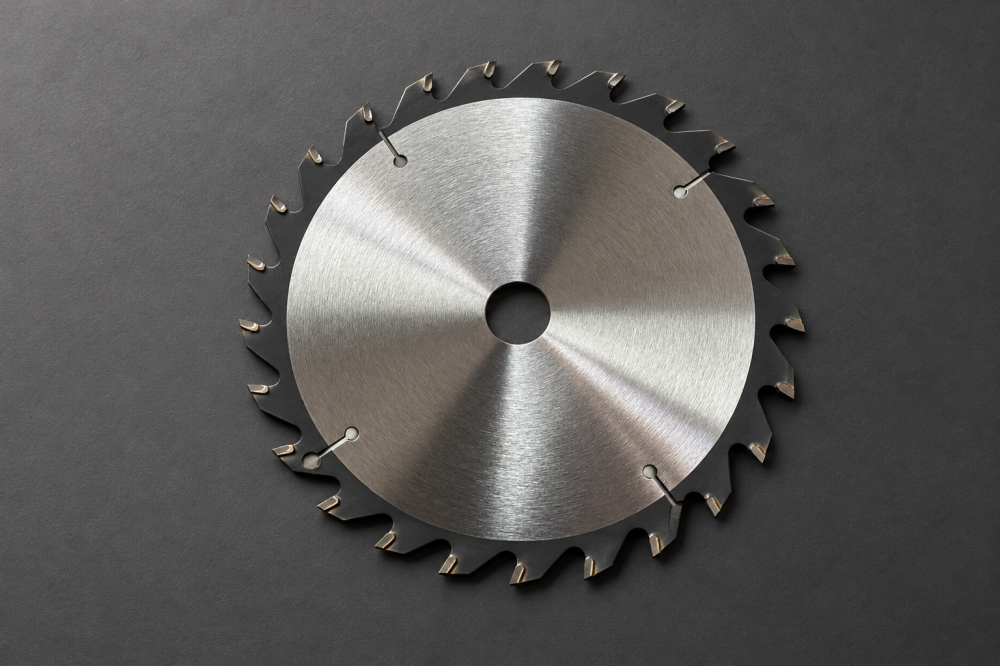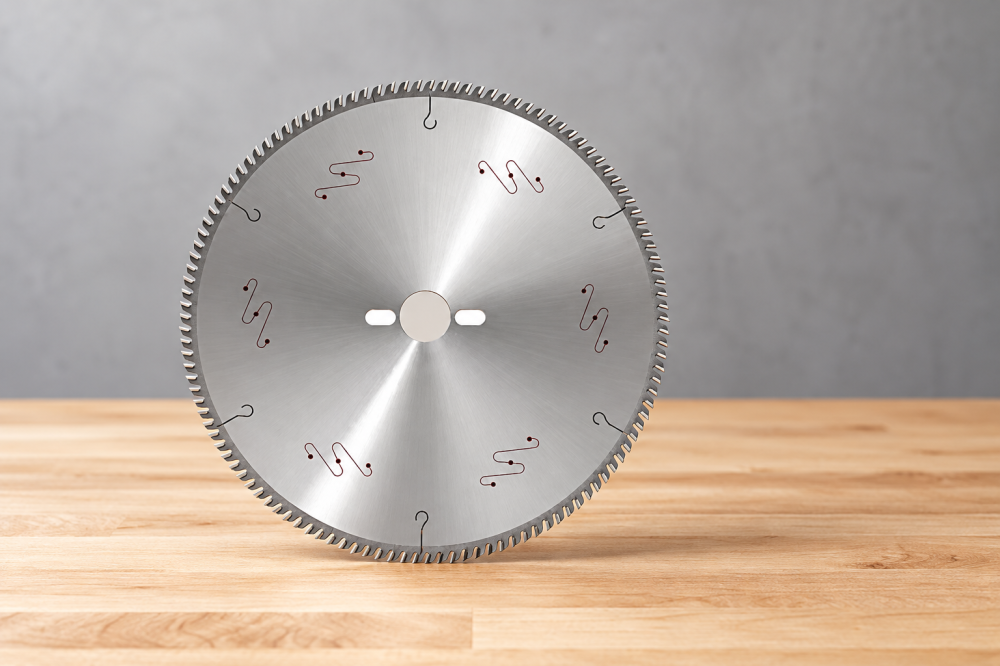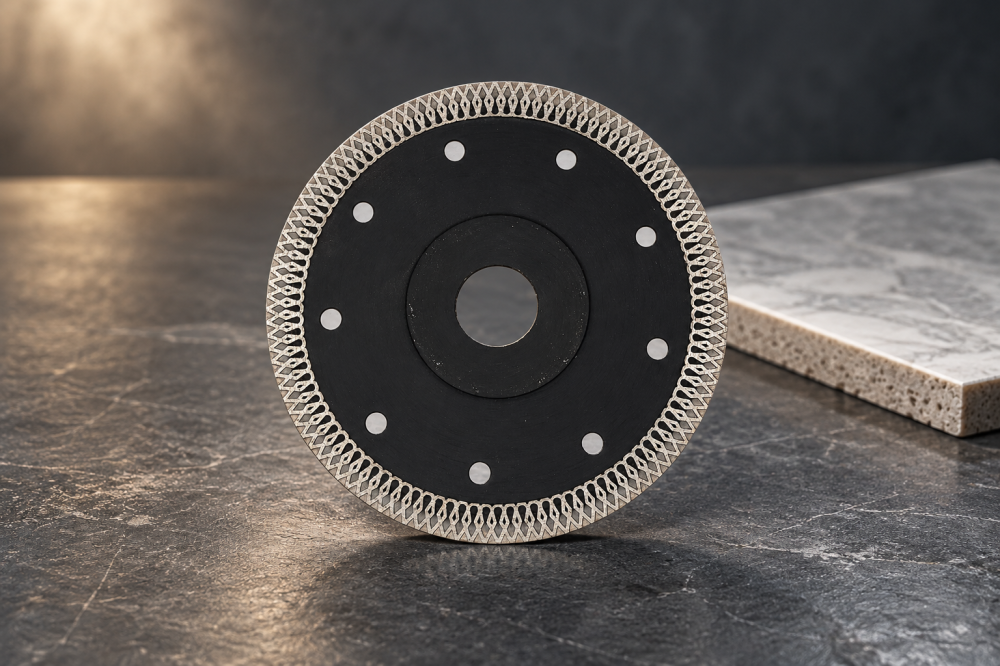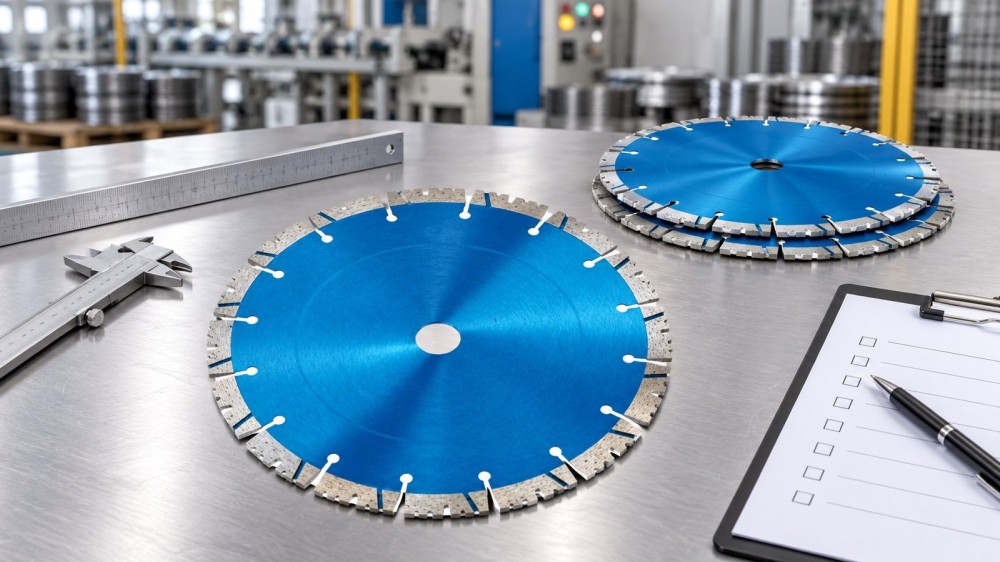
For importers, distributors and tool brands, choosing a reliable diamond saw blade manufacturer in China is not only about finding the lowest price. Blade performance, batch consistency, application matching, delivery reliability and OEM support can have a direct impact on customer satisfaction and long-term purchasing costs.
1. Start With the Manufacturer’s Product Range
A capable supplier should understand different cutting applications rather than offer one universal blade for every material. Diamond saw blades may be designed for concrete, reinforced concrete, asphalt, granite, marble, ceramic, porcelain, brick, masonry or other materials. The segment design, bond, diamond concentration and manufacturing process should be selected according to the application.
Danyang Etop Tools Co., Ltd. supplies diamond saw blades as part of a broader cutting-tool range that also includes TCT saw blades, diamond cup wheels, PCD cup wheels, diamond core bits, vacuum brazed diamond discs and abrasives.
2. Ask About Manufacturing Processes
Common diamond blade manufacturing methods include sintering, hot pressing and laser welding. Each method has suitable applications. For demanding construction cutting, laser-welded segments are widely used because the segment-to-core connection is designed for demanding working conditions. Sintered blades are common in many general-purpose and smaller-diameter applications.
A professional supplier should be able to explain why a particular construction is suitable for your target material and machine.
3. Evaluate Application Matching
Do not evaluate a blade only by diameter and price. Tell the supplier what material will be cut, whether the cut is wet or dry, the machine type, arbor size, operating speed and your priorities for cutting speed, finish and service life.
For example, a porcelain tile blade requires different characteristics from a segmented concrete blade. A blade for asphalt also faces different abrasion conditions from a blade for granite.
4. Check Quality Control and Batch Consistency
For B2B buyers, consistency is often more important than the performance of a single sample. Ask how the supplier controls steel cores, diamond segments, welding or sintering, dimensions, balance, appearance and final inspection.
Samples are useful, but buyers should also discuss how production batches are controlled after a sample has been approved.
5. Confirm OEM and Private Label Capability
If you sell under your own brand, confirm which elements can be customized. Depending on the product and order quantity, customization may include blade diameter, arbor, segment specification, steel-core design, color, laser marking, printed artwork and packaging.
ETOP supports OEM customization for international customers. Buyers can send target specifications, application requirements, drawings, packaging ideas or reference samples for evaluation.
6. Compare Total Cost, Not Only Unit Price
A cheaper blade is not necessarily a lower-cost blade. Cutting speed, blade life, operator time, downtime and consistency all affect the real cost per cut. When comparing quotations, make sure the specifications and expected performance level are comparable.
7. Communication Matters
A reliable export supplier should respond clearly to technical questions and confirm specifications before production. Good communication is especially important for OEM orders because small differences in arbor size, segment height, packaging or artwork can cause expensive problems after shipment.
Why Work With ETOP Tools?
Danyang Etop Tools Co., Ltd. is based in Danyang, Jiangsu Province, China. Our product range covers diamond saw blades, TCT saw blades, diamond cup wheels, PCD cup wheels, diamond core bits, vacuum brazed diamond discs and abrasives. We serve global customers and provide OEM customization for distributors, importers and tool brands.
If you are sourcing diamond saw blades from China, send us your required diameter, arbor, cutting material, machine type, target market and expected order quantity. Our team can help you identify a suitable solution.
Request a Quote from ETOP Tools
Tell us your target application, blade size, machine, quantity and OEM requirements. Contact ETOP Tools for product recommendations and a quotation.
FAQ
What information should I provide when requesting a diamond saw blade quotation?
Provide the blade diameter, arbor size, material to be cut, wet or dry use, machine type, preferred segment height, expected quantity and any OEM packaging requirements.
Can diamond saw blades be customized for a private brand?
Yes. OEM options can include specifications, colors, markings and packaging, depending on the product and order requirements.
Should I request samples before a bulk order?
For a new specification or supplier, sample testing is a practical way to evaluate cutting performance and confirm the product before bulk production.