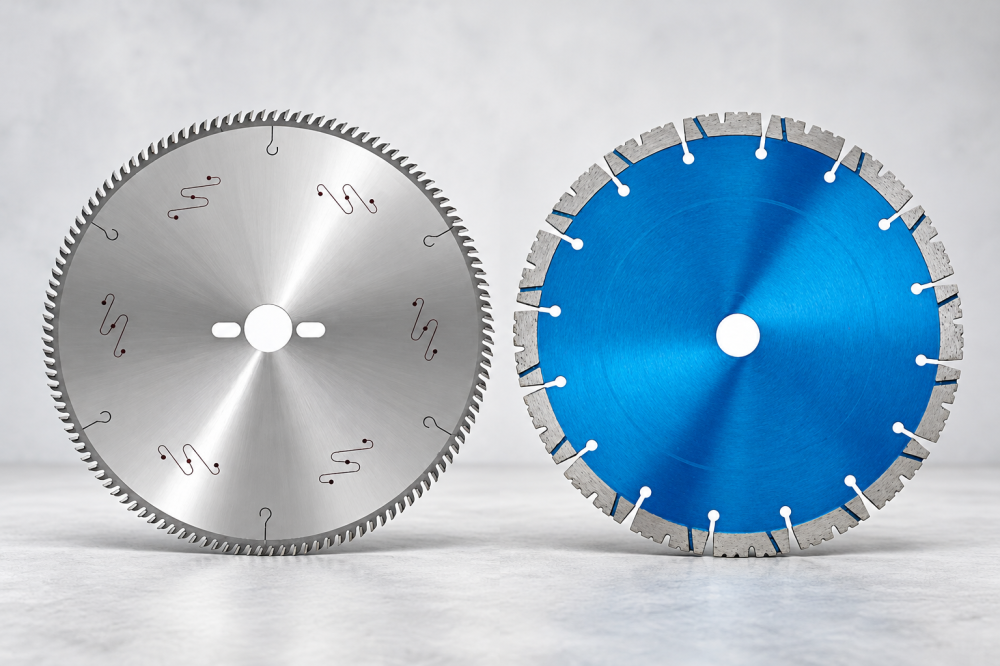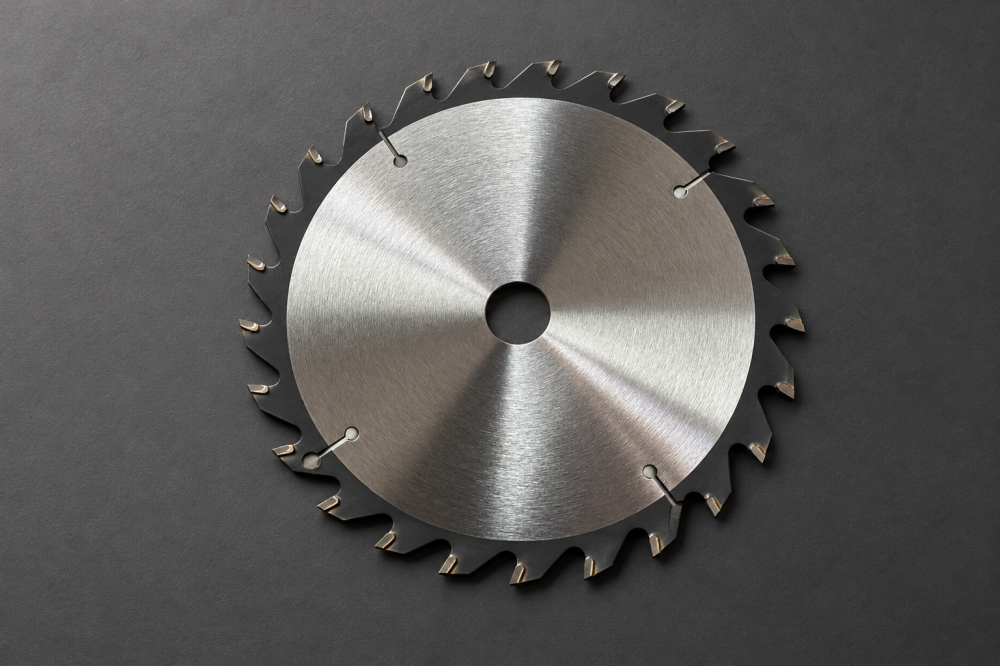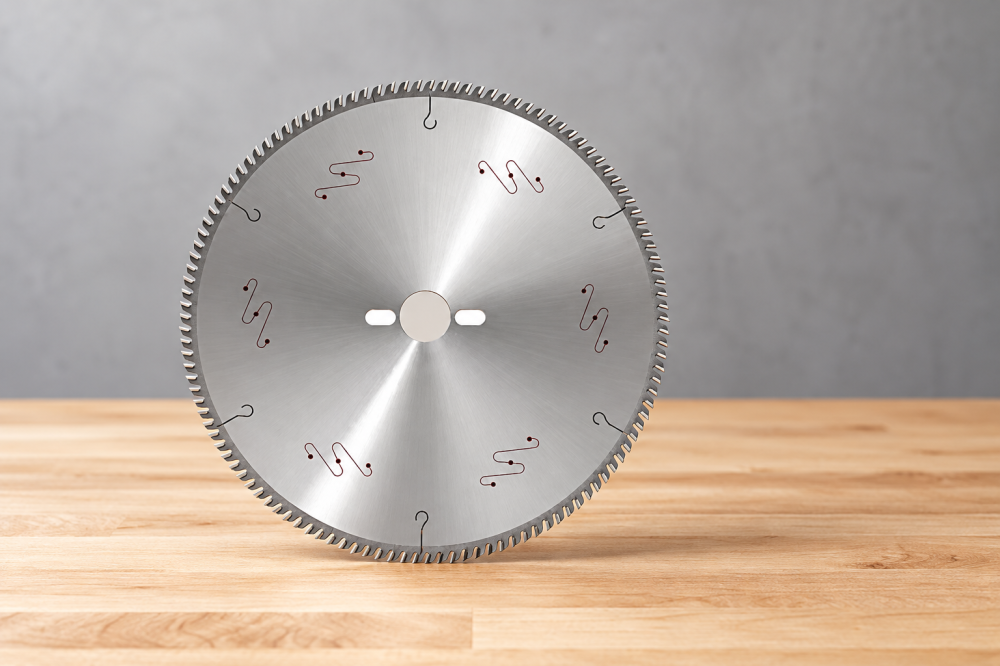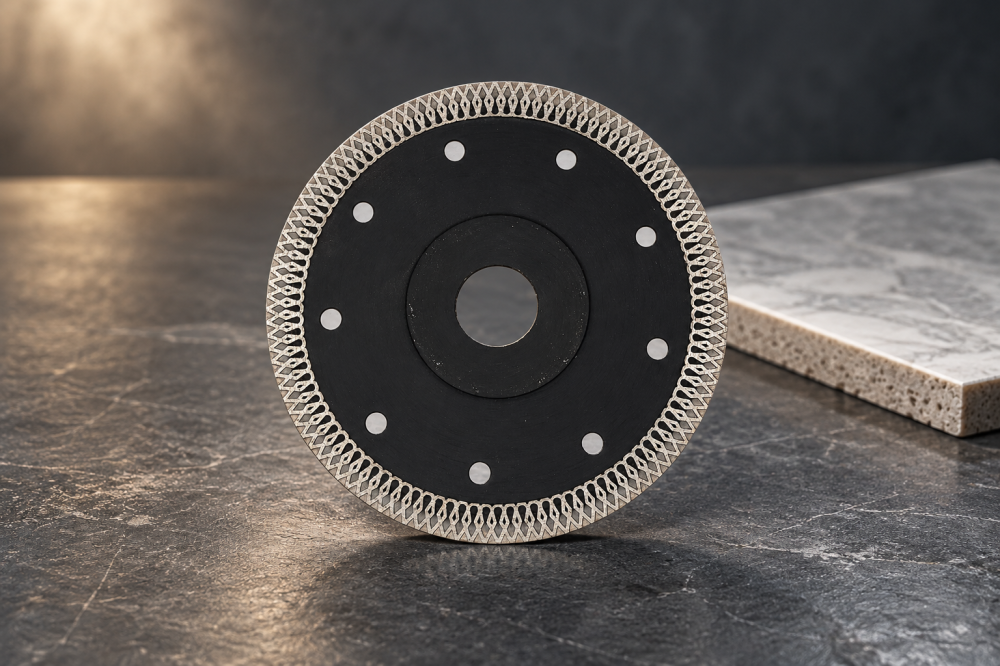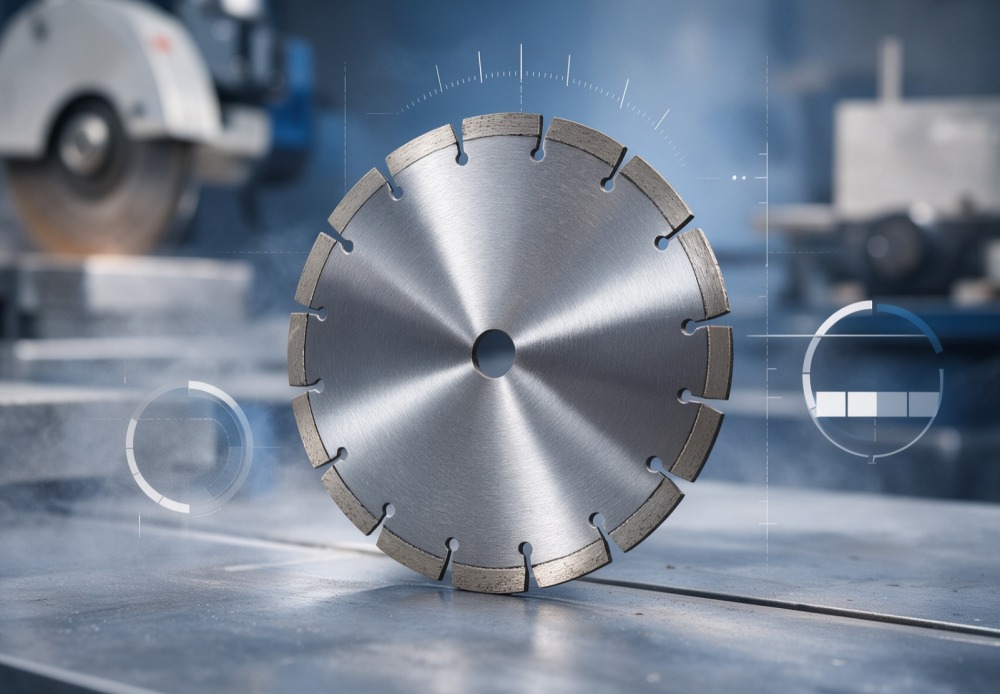
There is no single answer to how long a diamond saw blade lasts. Blade life depends on the blade design, material being cut, machine, operating conditions and user technique. For professional buyers, comparing blades by cost per cut is often more useful than comparing purchase price alone.
1. Material Being Cut
Concrete, asphalt, granite, porcelain and brick have different hardness and abrasiveness. A blade designed for one material may wear quickly or cut poorly on another.
2. Bond Selection
The metal bond controls how diamonds are exposed as the segment wears. The appropriate bond should match the material. An unsuitable bond can reduce cutting efficiency or service life.
3. Diamond and Segment Design
Diamond quality, concentration, segment height and geometry influence performance. More segment height does not automatically guarantee better value if the formulation is poorly matched to the application.
4. Wet or Dry Operation
Cooling conditions affect blade temperature and wear. If a blade is designed for wet cutting, sufficient water flow is important. For dry cutting, follow the blade and machine instructions and avoid misuse that causes excessive heat.
5. Machine Power and Speed
The blade should be matched to the machine. Incorrect operating conditions can reduce performance and may create safety risks.
6. Operator Technique
Excessive force does not necessarily make a diamond blade cut faster. Let the blade work at the appropriate feed rate. Side pressure, twisting or forcing the blade can negatively affect performance.
7. Material Variability
Even materials with the same general name can vary. Concrete aggregate, reinforcement, granite composition and tile hardness can change from project to project.
How B2B Buyers Should Compare Blade Life
Use controlled testing whenever possible. Compare the same material, machine and operating conditions. Record total cuts, cutting time and blade wear. This produces more useful purchasing data than informal comparisons.
ETOP Tools can discuss diamond blade specifications for different cutting applications and OEM requirements.
Request a Quote from ETOP Tools
Tell us your target application, blade size, machine, quantity and OEM requirements. Contact ETOP Tools for product recommendations and a quotation.
FAQ
Does a taller diamond segment always last longer?
Not necessarily. Segment formulation, diamond exposure, application and operating conditions also matter.
Why does a diamond blade stop cutting even when segments remain?
The blade may be glazed or poorly matched to the material. Stop use and follow the manufacturer’s troubleshooting guidance.
Is the cheapest blade the lowest-cost option?
Not always. Consider cutting speed, blade life, labor and downtime when calculating cost per cut.