For distributors and tool brands, choosing a TCT saw blade manufacturer involves more than comparing tooth count and unit price. The supplier should understand materials, tooth geometry, steel-body stability, carbide selection, OEM requirements and batch consistency.
Define Your Target Market
Tell the supplier whether the blades are intended for general woodworking, professional carpentry, panel cutting, aluminum cutting or another application. A product range for a hardware retailer may differ from one designed for an industrial customer.
Confirm Technical Specifications
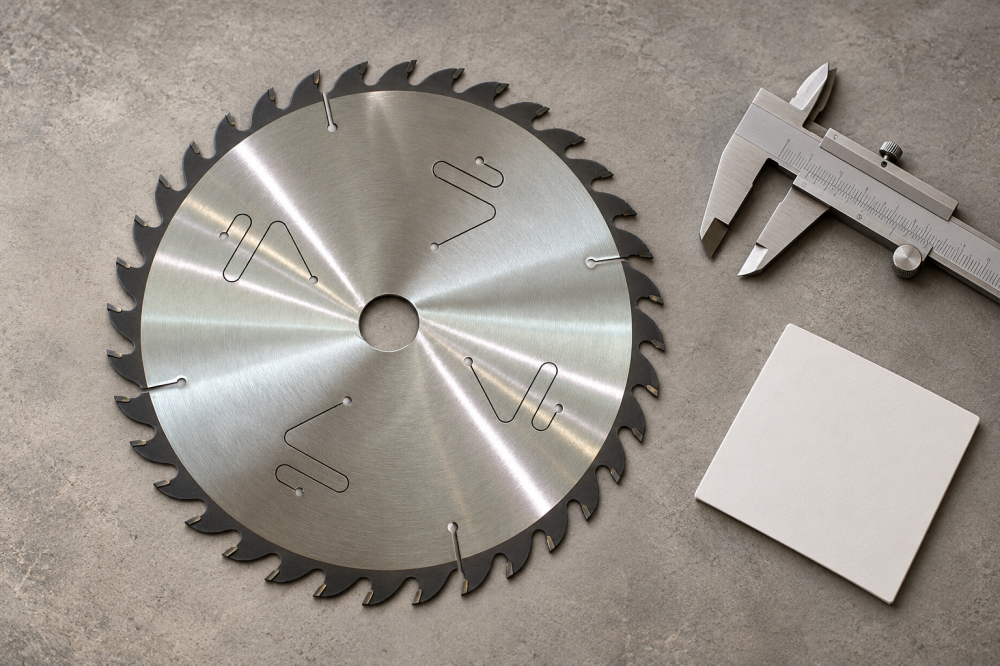
Key information includes blade diameter, arbor, kerf, plate thickness, tooth count, tooth geometry, target material and machine. For OEM programs, add color, surface finish, marking and packaging.
Evaluate Samples
Test samples on the actual material and machine used by your customers. Look at cutting speed, finish, vibration, noise, heat and wear.
Check Consistency
A good sample is only the beginning. Ask how specifications and quality are controlled during repeat production. B2B customers need stable products across multiple shipments.
OEM Packaging
Private-label programs may include blade printing, laser marking, color coating, labels, sleeves, boxes or other packaging. Proof artwork carefully before production.
ETOP TCT Supply
ETOP Tools offers TCT circular saw blades for woodworking and aluminum/non-ferrous metal applications alongside a wider range of diamond and abrasive tools. OEM customization can be discussed for suitable orders.
FAQ
What information is needed for a TCT blade quotation?
Provide diameter, arbor, tooth count, material to cut, quantity and OEM requirements.
Should I test a TCT blade before a bulk order?
Testing is recommended when developing a new specification or evaluating a new supplier.
Does ETOP offer other products besides TCT blades?
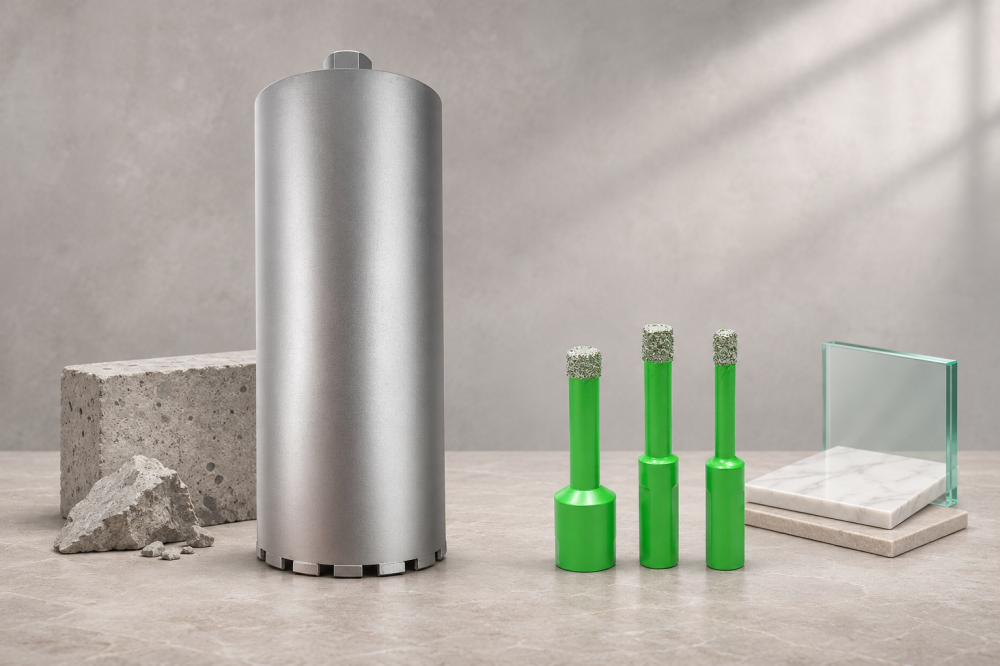
Yes. ETOP’s range includes diamond saw blades, cup wheels, core bits, vacuum brazed discs and abrasives.
Discuss your application and OEM requirements with ETOP Tools.